
Your AC has been running nonstop all August, and now it’s shut down or leaking water inside. That pooling water under your unit could mean a clogged condensate drain line is about to cause a ceiling collapse. While the local experts at Robben & Sons are always ready to handle major HVAC emergencies, clearing a clogged AC drain line blockage doesn’t always require a costly callout. You can actually fix it fast yourself with a wet/dry shop vac. Keep reading to learn the simple DIY AC drain cleaning trick that takes just 15 minutes.
Understanding AC Drain Line Problems
When your AC drain line clogs, it can turn a simple issue into a major and expensive homeowner crisis. Understanding the root causes and potential risks is essential to keeping your home dry and safe.
Common Causes of Clogs
- Algae Growth: Warm, dark environments—like the inside of your AC drain line—are perfect breeding grounds for algae. Over time, this bacterial buildup forms a thick, jelly-like blockage, which is especially common during humid months like August.
- Dirt and Debris: Everyday dust, pet hair, and other small particles bypass your air filter and accumulate in your drain line. When these combine with moisture, they bind together to create stubborn clogs.
- Improper Installation: Sometimes, clogs happen because the drain line lacked proper pitch from the start. If the downward slope isn’t right, water won’t flow as it should, leading to standing water and rapid sludge backups.
Risks of Ignoring Clogs
Ignoring a clogged drain line can lead to costly repairs. Water may start pooling under your AC unit, which is your first sign of trouble. If your system is located in an attic or upper level, this overflowing water can quickly escalate to severe water damage, affecting walls and ceilings.
If water continues to build up, modern systems will trigger a safety switch and shut down, leaving you with no cool air during the peak of summer. Beyond comfort, trapped standing water can also lead to mold growth, which poses health risks to your family. Even a tiny, slow drip can spiral into a structural failure if left unaddressed.
DIY Technique: The Wet/Dry Shop Vac Method
You don’t always need a technician to handle a clogged AC drain line. With a few simple tools and some know-how, you can tackle the problem yourself.
1.Shut off your HVAC system: Safety first.
Cut all power to your air conditioner both at the thermostat and the main electrical breaker panel before touching the drain line. Working with electricity and water can be dangerous.
2.Locate the outdoor drain termination: Find the exit.
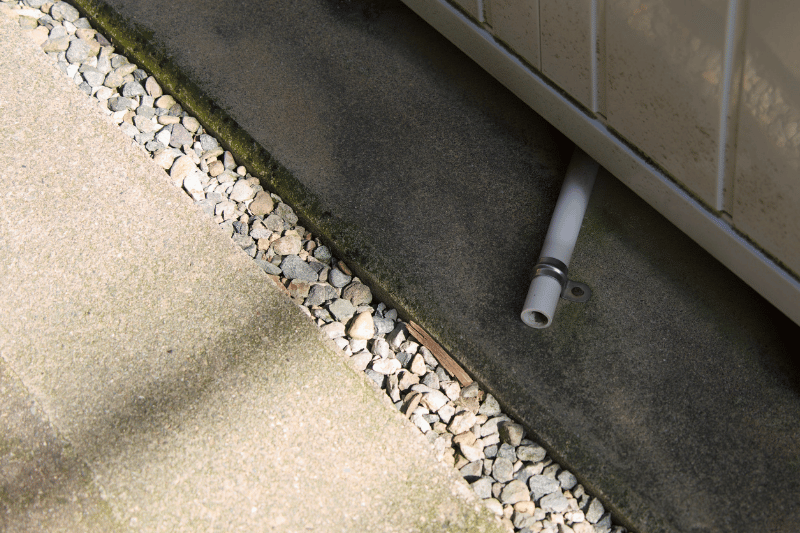
Go outside and locate the white PVC drain line where it exits your home, which is usually near the outdoor condenser unit.
3.Prepare and connect your wet/dry shop vac: Create a seal.
Open your shop vac and remove the paper pleated filter (vacuuming water will ruin a dry filter). Attach the vacuum hose directly over the end of the PVC drain line. Ensure a tight seal by wrapping your hand firmly around the connection or using a bit of electrical tape.
4.Run the vacuum for 2 minutes: Clear the line.
Turn the vacuum on and let it run for a full two minutes. You’ll likely see a stream of nasty algae, dirt, and water pull into the vacuum tank, instantly clearing the path for your AC to drain naturally.
Safety Reminder: Ensure your immediate work area outside is dry before turning on the shop vac to prevent slips and electrical hazards, and keep children and pets away from the equipment while you work.
Preventing Future AC Issues
Once you’ve cleared the clog, it’s important to prevent future issues with regular upkeep and smart strategies.
Regular Inspection Tips
- Check the drain line monthly: Catching clogs early can prevent major problems.
- Look for signs of slime or standing water: If you notice any slow draining, it may be time for another round of cleaning.
- Monitor your AC’s performance: If the system feels like it is cycling off unexpectedly or struggling to maintain temperatures, inspect the drain pan immediately.
Long-Term Maintenance Strategies
Consider installing a secondary float switch. This device constantly monitors the drain pan and will automatically shut off your AC if the drain line clogs, guaranteeing you never suffer a ceiling collapse.
Additionally, make sure to replace air filters regularly to reduce airborne dust from entering the drain pan, and schedule professional inspections annually. While DIY methods are helpful, a technician can spot refrigerant or airflow issues that you might miss.
If your system is still acting up after cleaning, or if you prefer to leave HVAC maintenance to the pros, the team at Robben & Sons is here to help. For more information on keeping your cooling system running efficiently all summer long, visit the Robben & Sons homepage or reach out to schedule an expert inspection today!