

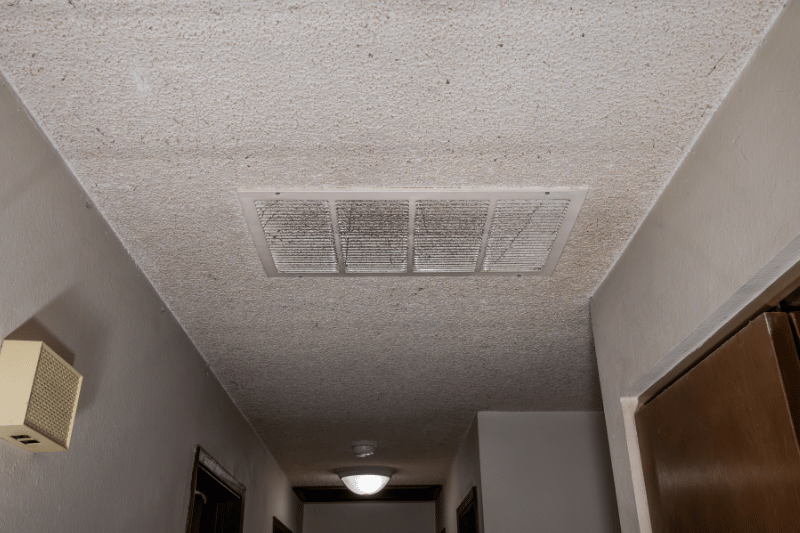
Black dust or dark rings appearing around your ceiling supply vents can feel like a nightmare no Oregon homeowner wants to face. In communities across Bend and Portland, this mysterious black soot issue often leaves walls and carpets looking deeply stained, causing immediate worry about the air your family is breathing. The truth behind the mess usually hides in worn boot seals and the “attic bypass effect,” which pulls dusty attic air directly into your HVAC supply vents. Understanding what’s causing this phenomenon is the first step to protecting your home. Fortunately, local experts like the team at Robben & Sons know exactly how to diagnose and fix these hidden ventilation issues before your indoor air quality worsens.
Understanding the Black Vent Stains
Let’s dive into the issue of black soot appearing in homes. This section breaks down what this unsettling phenomenon is all about and where it actually comes from.
What is the Soot Phenomenon?
The appearance of dark dust or rings near ceiling vents is a common complaint among homeowners in Oregon, especially in regions like Bend and Portland. While it can look like a ghostly, unexplained mess, it is actually a well-documented mechanical issue within your home’s ventilation system.
Common Causes of Black Dust
Finding black dust can be alarming. This dust often comes from within the HVAC system, where worn boot seals allow attic dust to enter your home. The attic bypass effect plays a big role here. When seals deteriorate, the high pressure of the air rushing through your vents creates a vacuum that draws dirty attic air into the supply vents, spreading the dust throughout your house. Additionally, factors like burning candles or nearby seasonal wildfires contribute to this issue, adding fine carbon soot that clings to surfaces where static electricity or high humidity is present.
Impact on Home Air Quality
The presence of black dust isn’t just a cosmetic issue; it directly affects your home’s air quality. Breathing in this dust can be harmful, especially if it carries pollutants from outside or soot from indoor sources. Over time, this can lead to health problems, particularly for those with allergies or respiratory issues.
HVAC Supply Vents and Boot Seals
Understanding your HVAC system’s components is crucial in tackling this problem. Let’s explore how supply vents and boot seals influence airflow and dust distribution.
Role of Supply Vents in Airflow
Your HVAC supply vents are essential for circulating air throughout your home, ensuring that every room gets the right amount of conditioned air. However, when these vents pull in dusty air from the attic due to faulty seals, they inadvertently spread black dust, affecting the entire house.
Importance of Boot Seals
Boot seals connect your metallic ductwork to the ceiling vents, and their condition is vital. When they wear out, gaps form between the sheetrock and the metal duct, allowing unconditioned attic air to mix directly into your living space. This not only introduces dust but can also compromise the energy efficiency of your HVAC system. Regular checks on these seals can prevent costly issues down the line.
The Attic Bypass Effect Explained
The attic bypass effect occurs when deteriorated boot seals act as open pathways for unconditioned attic air. Because your attic is a harsh environment filled with dust and insulation particles, this bypass allows unwanted contaminants to hitch a ride on your regular HVAC airflow, depositing dark rings right at the vent exit. Recognizing this effect is the first step in addressing the problem.
Addressing the Black Soot Problem
Fixing this issue permanently involves a mix of professional HVAC sealing and managing everyday indoor air factors. Here is what Oregon homeowners need to keep in mind:
- Monitor Indoor Humidity: High indoor humidity makes surfaces slightly damp, allowing airborne dust to stick much more easily around your vents. Keeping humidity balanced prevents this buildup.
- Limit Candle Soot: Burning paraffin candles introduces fine, sticky carbon particles into the air. This soot binds with everyday dust, creating a dark, tacky residue that stains ceilings quickly.
- Be Mindful of Wildfire Ash: During Oregon’s wildfire seasons, fine ash particles easily infiltrate homes through minor structural gaps or open windows, aggravating existing vent issues.
Practical Solutions for Oregon Homeowners
To tackle this problem for good, regular maintenance of your HVAC system is essential. Ensure boot seals are intact and have a professional reseal them using mastic or specialized HVAC tape when necessary. Consider using high-efficiency air filters or freestanding air purifiers to capture airborne particles.
By keeping your ventilation sealed and minimizing indoor soot sources like candles, you can successfully keep the mysterious black dust at bay. If you are noticing dark rings forming around your vents and want to ensure your ductwork is properly sealed against the attic bypass effect, the professionals at Robben & Sons can help. Visit Robben & Sons to learn more about their indoor air quality solutions or to schedule an inspection for your home.