
Think dehumidification isn’t a big deal for your Oregon home? Think again! While our summers are glorious, they often bring a hidden challenge: humidity. High indoor moisture can lead to a host of problems, from stuffy air to potential mold growth. Let’s explore why understanding and addressing humidity is key to maintaining a comfortable, healthy, and inviting living space in the Beaver State.
Understanding Dehumidification
Dehumidification plays a crucial role in maintaining a healthy home environment, especially in places like Oregon where humidity can become a challenge. Let’s explore how dehumidification works and why it’s necessary for your Oregon home.
The Role in Oregon Homes
Dehumidification is essential in Oregon homes due to the state’s unique climate conditions. With the lush, green landscapes come naturally high levels of humidity, particularly during the wetter months.
Moisture control in homes is not just about comfort. It’s a health imperative. Excess moisture can lead to structural damage and exacerbate respiratory problems. By reducing humidity levels, dehumidification helps protect the home and its inhabitants.
In Oregon, dehumidification systems are often integrated with HVAC systems to maintain an optimal indoor climate. This integration ensures homes remain comfortable year-round, despite the external weather conditions.
Combatting Summer Humidity
During the Oregon summer, humidity can soar, making homes uncomfortable. Combatting this involves understanding the dynamics of moisture and temperature and how they interact with your living space.
- Assess Humidity Levels: Regularly measure indoor humidity using a hygrometer.
- Improve Ventilation: Ensure proper airflow in all rooms to disperse trapped moisture.
- Use Dehumidifiers: Install standalone or integrated dehumidification systems to maintain ideal humidity levels.
In Portland, a homeowner implemented an integrated HVAC and dehumidification system. They reported a significant improvement in comfort and indoor air quality, reducing mold growth and musty odors.
By following these steps, Oregon homeowners can effectively manage summer humidity, enhancing comfort and protecting their homes from moisture-related issues.
Identifying Humidity Problems
Recognizing and addressing high humidity issues in your home is crucial to maintaining a healthy environment. Here, we identify signs of humidity problems and explore the consequences of excess moisture.
Signs of High Humidity
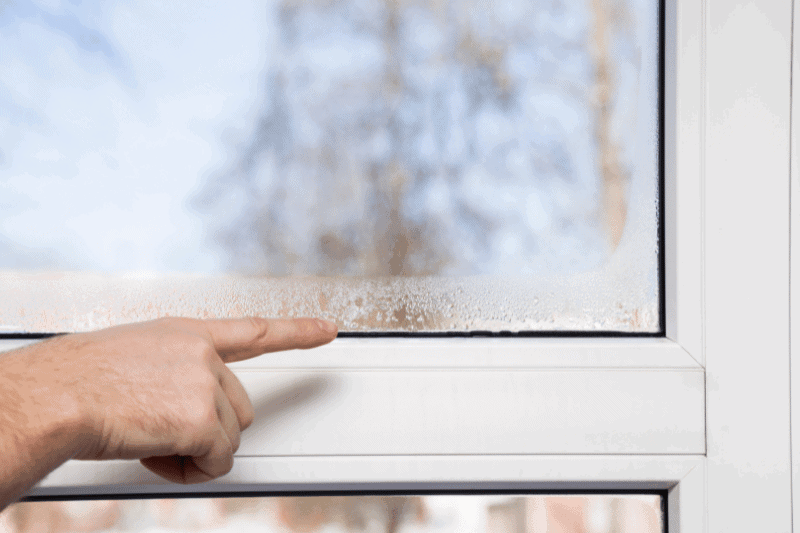
Identifying high humidity in your home can prevent long-term damage. Common signs include persistent dampness, condensation on windows, and musty odors. These indicate an imbalance in indoor air quality.
Excess humidity can also manifest as discomfort. This might be in the form of sticky air or difficulty breathing. If you often feel clammy indoors, it’s a sign to check humidity levels.
Another indicator is the presence of mold and mildew. These thrive in moist environments and can cause significant health problems. Regular inspections can help identify early signs of high humidity.
Consequences of Excess Moisture
Excess moisture can lead to severe consequences for both your home and health. It creates an ideal environment for mold, which can damage structures and pose health risks.
Moisture-related problems include peeling paint, warped wood, and structural decay. These issues can devalue your property and result in costly repairs.
Health issues linked to high humidity include allergies, asthma, and other respiratory conditions. By controlling humidity, you can prevent these problems and maintain a healthier living environment.
Effective HVAC Solutions
Effective HVAC systems are vital in managing humidity levels, ensuring a comfortable and healthy indoor environment. Let’s explore solutions for enhancing indoor air quality and creating a comfortable space.
Enhancing Indoor Air Quality
Enhancing indoor air quality involves integrating HVAC systems with dehumidification features. This controls moisture and improves air circulation, crucial for maintaining a healthy home.
A good HVAC system will filter out allergens and pollutants, providing cleaner air. Regular maintenance, such as changing filters, helps maintain efficiency and air quality.
By using smart HVAC systems, homeowners can monitor and adjust humidity levels remotely. This ensures optimal indoor conditions at all times, enhancing comfort and health.
Creating a Comfortable Indoor Environment
Creating a comfortable indoor environment in Oregon homes requires addressing both temperature and humidity. A balanced indoor climate is key to comfort and well-being.
- Install Programmable Thermostats: Adjust temperature and humidity settings automatically.
- Seal Home Properly: Ensure windows and doors are adequately sealed to prevent moisture infiltration.
- Regular System Maintenance: Keep HVAC systems in optimal condition to handle humidity effectively.
These steps ensure your home remains a refuge from Oregon’s humid climate, promoting a comfortable and healthy living environment.