
(503) 238-4328

Uncategorized

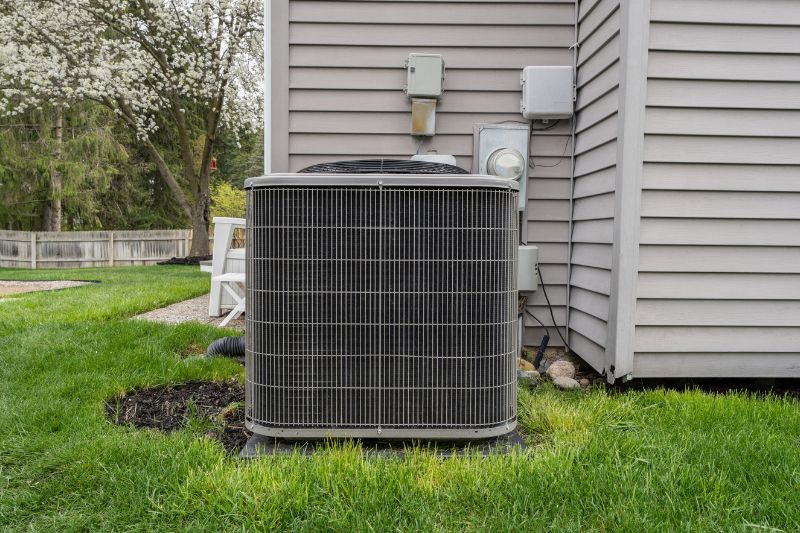
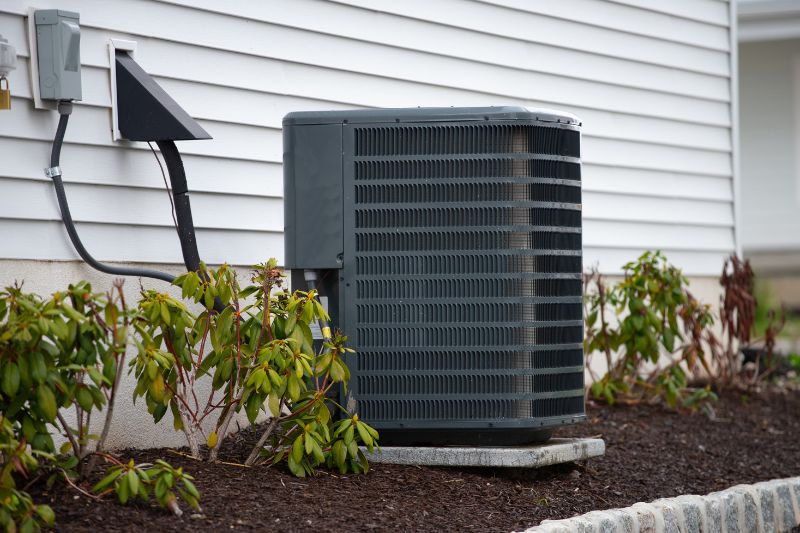
Outdoor central air conditioning condenser unit on a concrete pad beside a gray house, with a green lawn and flowering trees nearby.

What’s That Loud Humming Noise Coming From Your Outdoor AC Unit?

That sudden loud humming noise from your outdoor AC unit isn’t just annoying—it’s a warning sign. When your AC fan motor struggles under layers of dust and lawn debris, it can overheat and shut down just before the hottest weekend of the year. Here at Robben & Sons, we know how stressful a failing cooling

What’s That Loud Humming Noise Coming From Your Outdoor AC Unit? Read More »

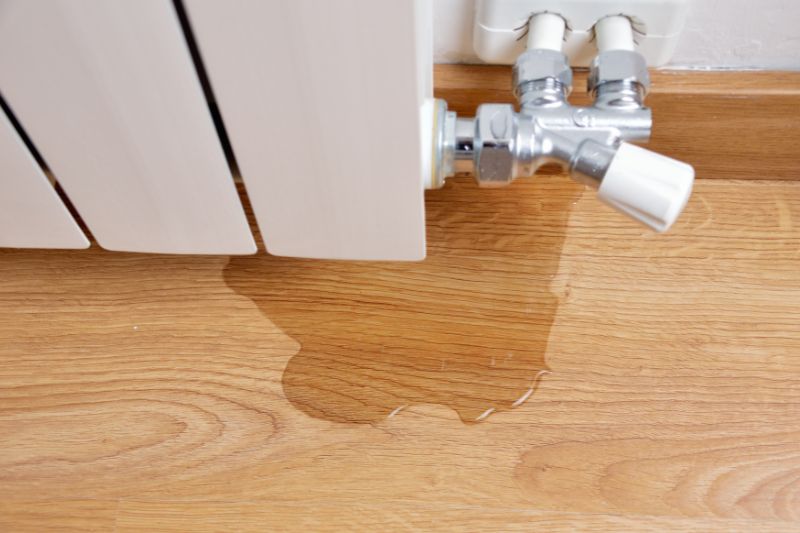
Radiator with a valve leaking water onto a wooden floor.

How to Spot and Prevent a Hidden HVAC Water Leak Before It Ruins Your Ceiling

A small water stain on your ceiling might seem harmless at first, but it can quickly turn into a costly mess. When your air conditioner pulls heavy moisture in July, a clogged condensate drain line can cause hidden water leaks that spread unnoticed. The team at Robben & Sons has seen how devastating these hidden

How to Spot and Prevent a Hidden HVAC Water Leak Before It Ruins Your Ceiling Read More »

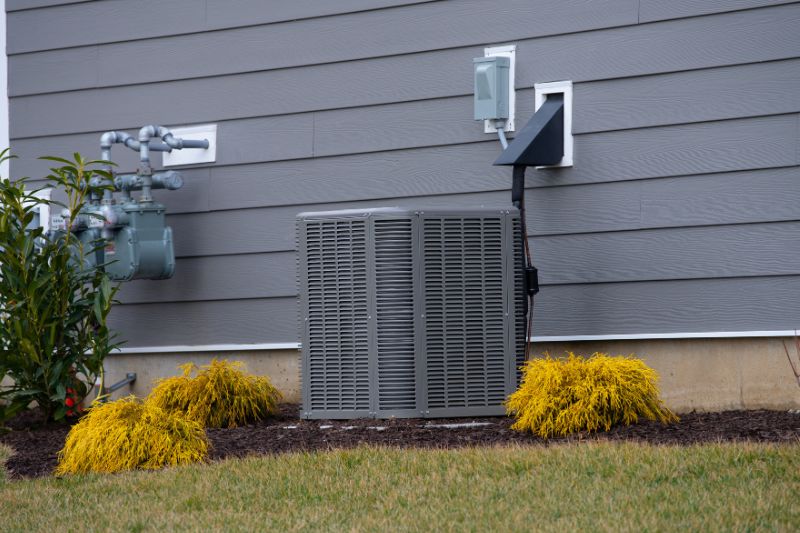
Outdoor air conditioner condenser unit against a gray house wall, with yellow ornamental grasses in front and utility connections nearby.

Why is My AC Smelling Like a Wet Dog? (The “Dirty Sock” Syndrome)

That musty, locker room smell hitting the moment your AC turns on isn’t just in your head. In Oregon’s damp spring air, bacteria and mold take hold on the evaporator coil, causing the dreaded “Dirty Sock Syndrome.” At Robben & Sons, we’ve seen how quickly the Pacific Northwest moisture can turn a cooling system into

Why is My AC Smelling Like a Wet Dog? (The “Dirty Sock” Syndrome) Read More »

Don’t Let a Cracked Heat Exchanger Play an April Fool on You

April nights in Oregon still bring freezing temperatures, which means your furnace keeps running. At Robben & Sons, we see how the metal in your heat exchanger endures thousands of expansions and contractions every winter, creating tiny hairline cracks. These cracks can leak carbon monoxide, turning a simple furnace issue into a serious safety risk.

Don’t Let a Cracked Heat Exchanger Play an April Fool on You Read More »

The “Dual Fuel” Strategy: Saving Money on Oregon’s Shifting Temps

Oregon winters don’t follow a script—one day it’s 35°F, the next it’s 55°F. That means your electric bill from running a heat pump can spike during cold snaps, while gas bills climb on milder days. The dual fuel strategy with hybrid heating systems solves this by switching between a gas furnace and an electric heat

The “Dual Fuel” Strategy: Saving Money on Oregon’s Shifting Temps Read More »