
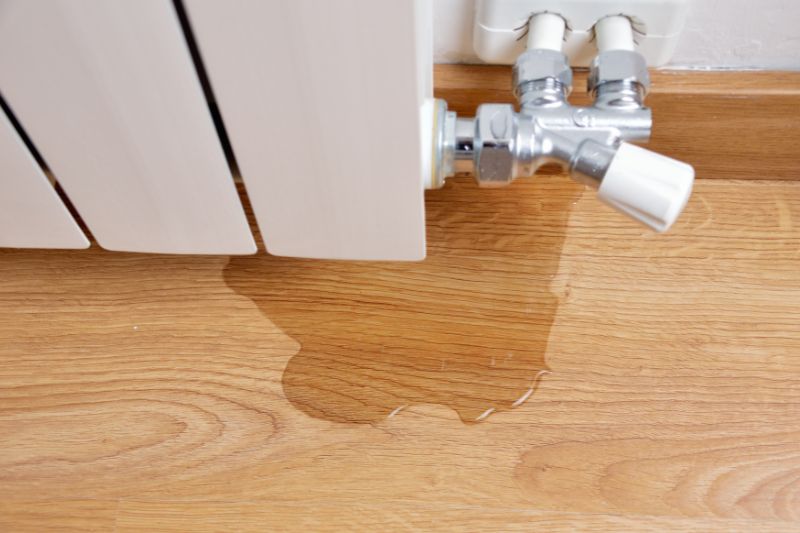
A small water stain on your ceiling might seem harmless at first, but it can quickly turn into a costly mess. When your air conditioner pulls heavy moisture in July, a clogged condensate drain line can cause hidden water leaks that spread unnoticed. The team at Robben & Sons has seen how devastating these hidden issues can be for homeowners. Fortunately, learning how to spot early signs and taking proactive steps in HVAC maintenance can prevent water damage before it ruins your ceiling and invites mold growth.
Understanding HVAC Water Leaks
Spotting an HVAC water leak early can save you from costly repairs. Let’s explore how these leaks occur and what to watch out for.
Signs of a Hidden Water Leak
You might not notice a water leak until it has caused significant damage. Some early signs include:
- Ceiling water stains: These often appear yellow or brown and spread over time.
- Musty odors: A damp smell could signal a hidden leak.
- Increased utility bills: If your bills spike unexpectedly, it could be due to a leak.
By staying alert to these signs, you can address leaks before they escalate.
Common Causes of Ceiling Water Stains
Water stains can be a homeowner’s nightmare. They often result from:
- Clogged condensate drain lines: These lines remove moisture from your air conditioner. When blocked, they can overflow, leading to ceiling damage.
- Faulty insulation: Poor insulation can cause condensation, leading to water stains.
- Roof leaks: Though not directly related to HVAC, a leaky roof can also cause ceiling stains.
Understanding these causes helps in taking preventive measures.
Potential Risks and Damage
Ignoring water leaks can lead to severe consequences. Risks include:
- Mold growth: Moist environments are perfect for mold, which can affect health and property.
- Structural damage: Water can weaken ceilings and walls, leading to expensive repairs.
- Electrical hazards: Water near electrical systems poses a serious risk.
Preventing these risks starts with proper maintenance.
Proactive HVAC Maintenance Tips
Regular HVAC maintenance is crucial to avoid water damage. Let’s discuss some steps you can take.
Checking for Clogged Condensate Drain Lines
Keeping your drain lines clear is vital. Here’s how you can do it:
- Inspect monthly: Regular checks help catch blockages early.
- Use a wet/dry vacuum: This tool can clear minor clogs.
- Schedule professional cleanings: Experts can ensure thorough cleaning.
By maintaining these lines, you prevent water buildup and leaks.
Maintaining Drain Pans Effectively
Drain pans catch excess moisture, but they need care too:
- Check for rust or cracks: Any damage can lead to leaks.
- Clean regularly: Remove debris to prevent blockages.
- Ensure proper alignment: A misaligned pan won’t collect water efficiently.
A well-maintained drain pan reduces the risk of overflow.
Air Conditioner Moisture Control
Controlling moisture is key to preventing leaks:
- Use a dehumidifier: This reduces overall humidity, easing the load on your AC.
- Ensure proper airflow: Good ventilation prevents excess moisture.
- Check refrigerant levels: Low levels can cause the system to freeze and then leak water.
These steps help keep your system running smoothly.
Preventing Water Damage and Mold
Preventing water damage involves acting fast and staying vigilant. Here’s what you can do.
Immediate Actions for Leak Detection
If you suspect a leak, act quickly:
- Turn off the AC: This stops further water flow.
- Dry affected areas: Use towels or a mop to absorb excess water.
- Call a professional: They can identify and fix the root cause.
Quick action minimizes damage and repair costs.
Mold Prevention Strategies
Mold thrives in damp conditions. Prevent it by:
- Keeping humidity below 60%: Use a hygrometer to monitor levels.
- Fixing leaks promptly: Address any water issues right away.
- Using mold-resistant products: Paints and sealants can offer extra protection.
Preventing mold protects both health and property.
Regular HVAC System Inspections
Routine inspections are your best defense against leaks:
- Schedule biannual checkups: Regular maintenance catches issues early.
- Focus on high-risk areas: Pay special attention to drain lines and pans.
- Document issues: Keep records to track recurring problems.
Consistent inspections keep your system in top shape, saving you money and stress.
Trust the Experts to Keep You Dry
Catching an HVAC water leak before it damages your ceiling requires vigilance and regular maintenance. While monthly checks are a great start, a professional inspection is the safest way to ensure your system’s drain lines, pans, and refrigerant levels are completely secure before the summer heat hits.
If you suspect a hidden leak or want to schedule a preventative system tune-up, the certified technicians at Robben & Sons are here to help. For more information, expert maintenance advice, or to schedule an appointment, visit the Robben & Sons homepage today.